Back in the 1980s, when Adventism’s current theological controversies were beginning to emerge on a wider scale, rumors began circulating among faithful church members alleging secret alliances and agreements between the General Conference and such ecumenical bodies as the National and World Councils of Churches. The allegation heard most was that denominational leadership had supposedly, quietly, agreed to downplay certain of our distinctive doctrines and prophetic understandings, especially in the church’s evangelistic endeavors.
The identification of the Roman Catholic Church as the Antichrist of Bible prophecy, our conviction as Seventh-day Adventists regarding the respective identities of Babylon and the remnant church in the book of Revelation, and similar distinctive beliefs, were chief among the doctrines whose proclamation we had allegedly agreed to marginalize if not reject altogether. It was also claimed that Adventists had agreed to stop what many Christians denounce as “sheep-stealing”—the recruiting of Christians from other denominations for membership in the Seventh-day Adventist Church.
Anyone familiar with growth patterns and political clout—or the lack thereof—among various groups within the Christian fold, couldn’t help but find it strange that certain Adventists saw any notable threat from groups like the National and World Councils of Churches, representing as they do (and have for decades) theologically liberal denominations whose membership has been in free-fall decline for most of the past half-century. Most American politicians and Christian leaders in the late 20th century who referred to these old-line ecumenical councils did so with disdain, even ridicule, for the simple reason that these bodies lacked any significant influence or power. It was the aggregate of bodies known for their conservatism—political and otherwise—who were flexing their muscles on the American political scene at that time, and have done so ever since.
But among those Adventists alleging ecumenical compromise on the part of their denomination, little if any warning was heard regarding ecumenical alliances on the religio-political Right. One reason for this omission was the frequent, even boastful acknowledgement on the part of these folks that they largely ignored mainstream news outlets, had no television in their homes, and what not. Had they paid more attention to what was happening in the outside world, they would have understood where threats to religious liberty were truly rising, where the contours and power of ecumenism presently existed (and still exist) in contemporary Christian circles, and similar realities to which their avoidance strategy left them oblivious.
Individual—Not Corporate—Compromises
The fact that certain pastors and others, for various reasons, had neither lost faith in our distinctive teachings or had come to view them as “less important” than a personal relationship with Christ—as if faithfulness to Jesus and faithfulness to His Word could somehow be distinguished one from the other—was misconstrued by many as indicative of some nefarious, corporate compromise mandated from high levels within the church. But while many, certainly in First World countries, had embraced this false “Christ-centeredness” in their witness and ministry, no one could ever produce hard evidence that the denomination had either tacitly or openly endorsed such compromises.
No one, to my knowledge, ever produced a memo from the church structure at any level, urging that certain doctrinal subjects be soft-pedaled or omitted in public evangelistic meetings, or that members of other Christian communities not be baptized into our own. No matter how many representatives of the church may have—tragically, to be sure—accepted this unscriptural marginalizing of certain of our beliefs, no tangible evidence ever surfaced that this was being orchestrated by denominational leadership. If such topics as the papacy and the mark of the beast were no longer being heard from our pulpits with the frequency heard in the past, it was the choice of individual pastors, revivalists, and evangelists to do this. No one ever produced evidence that those signing their checks had given any such orders.
Alleged Compromises with the United Nations
Rumors and online screeds continue to proliferate in our present context regarding alleged agreements between the leadership of the Seventh-day Adventist Church with the United Nations, including alleged submission on the part of Adventist leadership to demands that we not “proselytize” (recruit church members) in one setting or another.
We can argue at length as to whether “consultative” status means cooperation or alliance in one form or anotherr, but language is not the issue here. Where, may we ask, is the evidence that any Seventh-day Adventist has been warned, by the UN or any of its affiliates, to cease or sharply curtail evangelistic endeavors of any kind? As was asked earlier, who has received a memo from any church administrator advising that one or another of our unique doctrinal or prophetic teachings be set aside or downplayed in public proclamation? Who has received any threat of sanction, of any kind, for disobeying or ignoring such advice?
All the evidence indicates that Seventh-day Adventist soul winning efforts have proceeded in full strength in the years since the General Conference purportedly received NGO (non-governmental organization) status with the United Nations. The global NET crusades of the 1990s certainly come to mind in this regard, not to mention countless other outreach endeavors throughout the world. Those Adventists choosing not to participate in these efforts are doing so, not because of denominational or outside political directives, but because of their own indifference or disbelief. If they are part of any conspiracy, it is the one outlined in Ephesians 6, verse 12, not one initiated by the General Conference or the world’s political powers.
Conclusion: Where is the Evidence?
Antipathy to the United Nations is nothing new in America. It goes back to the founding and agitation of groups like the extremist John Birch Society, with its call—announced on billboards, bumper stickers, and in newspaper ads—to “get us out of the United Nations” [1]. American nationalism has had much to do with this mindset, with its fear that any global conglomerate is likely to restrict American power, commerce, and policy at various levels.
It isn’t the purpose of this article to explore these claims, only to ask where any evidence can be found that Seventh-day Adventist cooperation with the United Nations has curtailed in any way the church’s proclamation of the three angels’ messages throughout the world. If our distribution of material aid through one or another denominational outlet has been disconnected from acceptance by aid recipients of any of our beliefs, that is perfectly appropriate; anyone who remembers how during the Vietnam War “some villages converted en masse (to Catholicism) in order to receive aid” [2] understands the imperative for any religious body to assist the needy irrespective of whether the latter “convert” or not.
But no one has yet reported any credible evidence that any Seventh-day Adventist person or entity has been restricted by the UN from soul-winning activities because anyone accepted our faith in the process of receiving material help of any kind. If someone is prepared to correct this statement with hard evidence, we on this site are willing to listen. But if such evidence does not exist, it cannot fairly be concluded that “consultative” status with the United Nations by the Seventh-day Adventist Church has compromised or abridged our mission to the world in any way.
REFERENCES
1. “Proposals for the United States to withdraw from the United Nations” https://en.wikipedia.org/wiki/Proposals_for_the_United_States_to_withdraw_from_the_United_Nations
2. “Catholic Church in Vietnam” https://en.wikipedia.org/wiki/Catholic_Church_in_Vietnam
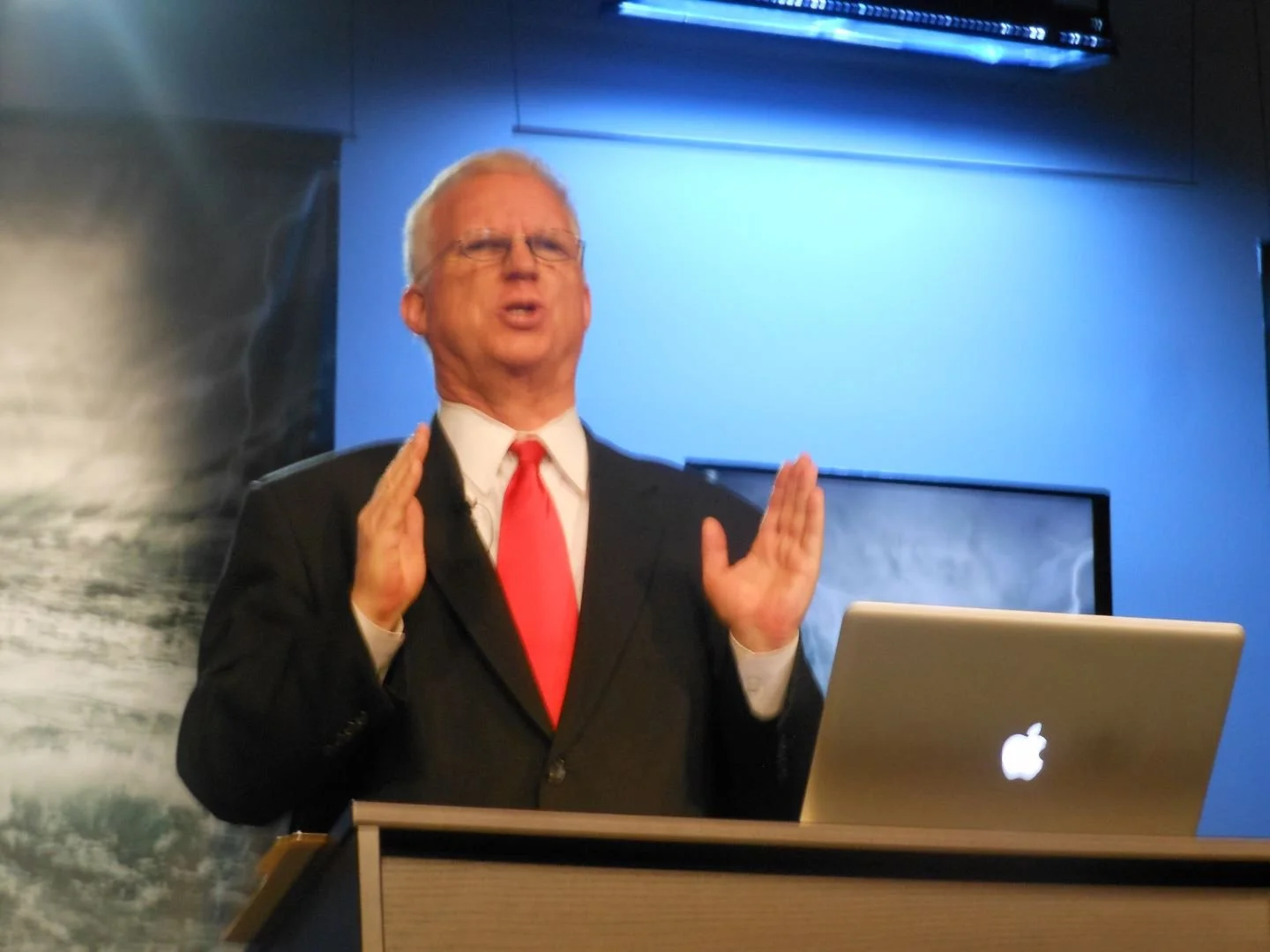
Pastor Kevin Paulson holds a Bachelor’s degree in theology from Pacific Union College, a Master of Arts in systematic theology from Loma Linda University, and a Master of Divinity from the SDA Theological Seminary at Andrews University. He served the Greater New York Conference of Seventh-day Adventists for ten years as a Bible instructor, evangelist, and local pastor. He writes regularly for Liberty magazine and does script writing for various evangelistic ministries within the denomination. He continues to hold evangelistic and revival meetings throughout the North American Division and beyond, and is a sought-after seminar speaker relative to current issues in the Seventh-day Adventist Church. He presently resides in Berrien Springs, Michigan