
A few days ago I had an online discussion with some fellow pastors about the ordinance of footwashing, often called the ordinance of humility. It was claimed by certain ones that this practice is culturally outmoded, that it violates people’s personal space and transmits germs—something, presumably, Jesus and the disciples didn’t understand. (The disciples, maybe, but Jesus??)
It was therefore suggested that other demonstrations of humility might be more culturally appropriate, such as polishing each other’s shoes or washing one another’s vehicles. The concept of “contextualization” was cited as justification for creativity of this sort. After all, it is argued, the washing of feet was a common feature of ancient Middle Eastern and Mediterranean hospitality, where the climate was such that people generally wore open sandals, thus needing their feet cleaned upon entering a private residence. Since we don’t need such gestures of hospitality in our present context, why can’t we find some other practice which might convey a similar but presumably more relevant meaning?
Our Lord’s Command
More than one problem arises with rationalizations of this kind, but the main problem arises with the words of Jesus Himself. Had it not been for Peter’s objection, we might not possess the clarity of understanding on this subject that Seventh-day Adventists have put into practice since the origin of our movement. The passage from the 13th chapter of John’s Gospel is all too clear on this point:
Then cometh He to Simon Peter, and Peter saith unto Him, Lord, dost Thou wash my feet?
Jesus answered and said unto him, What I do thou knowest not now, but thou shalt know hereafter.
Peter saith unto Him, Thou shalt never wash my feet. Jesus answered him, If I wash thee not, thou hast no part with Me.
Simon Peter saith unto Him, Lord, not my feet only, but also my hands and my head.
Jesus saith to him, He that is washed needeth not save to wash his feet, but is clean every whit: and ye are clean, but not all.
For He knew who should betray Him; therefore said He, ye are not all clean.
So after He had washed their feet, and had taken His garments, and was set down again, He said unto them, Know ye not what I have done to you?
Ye call Me Master and Lord: and ye say well, for so I am.
If I then, your Lord and Master, have washed your feet, ye also ought to wash one another’s feet.
For I have given you an example, that ye should do as I have done to you (John 13:6-15).
The above verses are clear that the washing of the disciples’ feet was not merely a polite favor Jesus was doing for them. For when Peter objected, Jesus made it clear that if He didn’t wash his feet, “thou hast no part with Me” (verse 8). He went on to tell them, once their feet were washed, that “ye are clean, but not all. For He knew who should betray Him” (verses 10-11). Judas’s feet, of course, were as clean as all the others, so far as physical cleanliness was concerned. But the physical cleansing was symbolic of something spiritual; hence Jesus’ statement that “ye are not all clean” (verse 11).
Thus, when Jesus commands His disciples, “Ye also ought to wash one another’s feet” (verse 14), this is no more a mere admonition to routine politeness than was His washing of the feet of the disciples. It holds profound spiritual meaning, and thus can’t be discounted as a relic of a bygone culture.
The Contextualization Trap
Those who argue for so-called “contextualization” don’t perhaps understand where such reasoning can lead. Are the specifics of divine commands to be spiritualized based on what is deemed personally or culturally unfamiliar or uncomfortable? Using this “contextualization” logic, we could argue for the substitution of the first day of the week for the seventh, based on familiar worship patterns from both the world of ancient Christianity and that of today. Other examples might also come to mind.
The secret of religious faith is not adaptation, but transcendence. The Word of God addresses its cultural context, but it must remain the judge thereof, never its child.
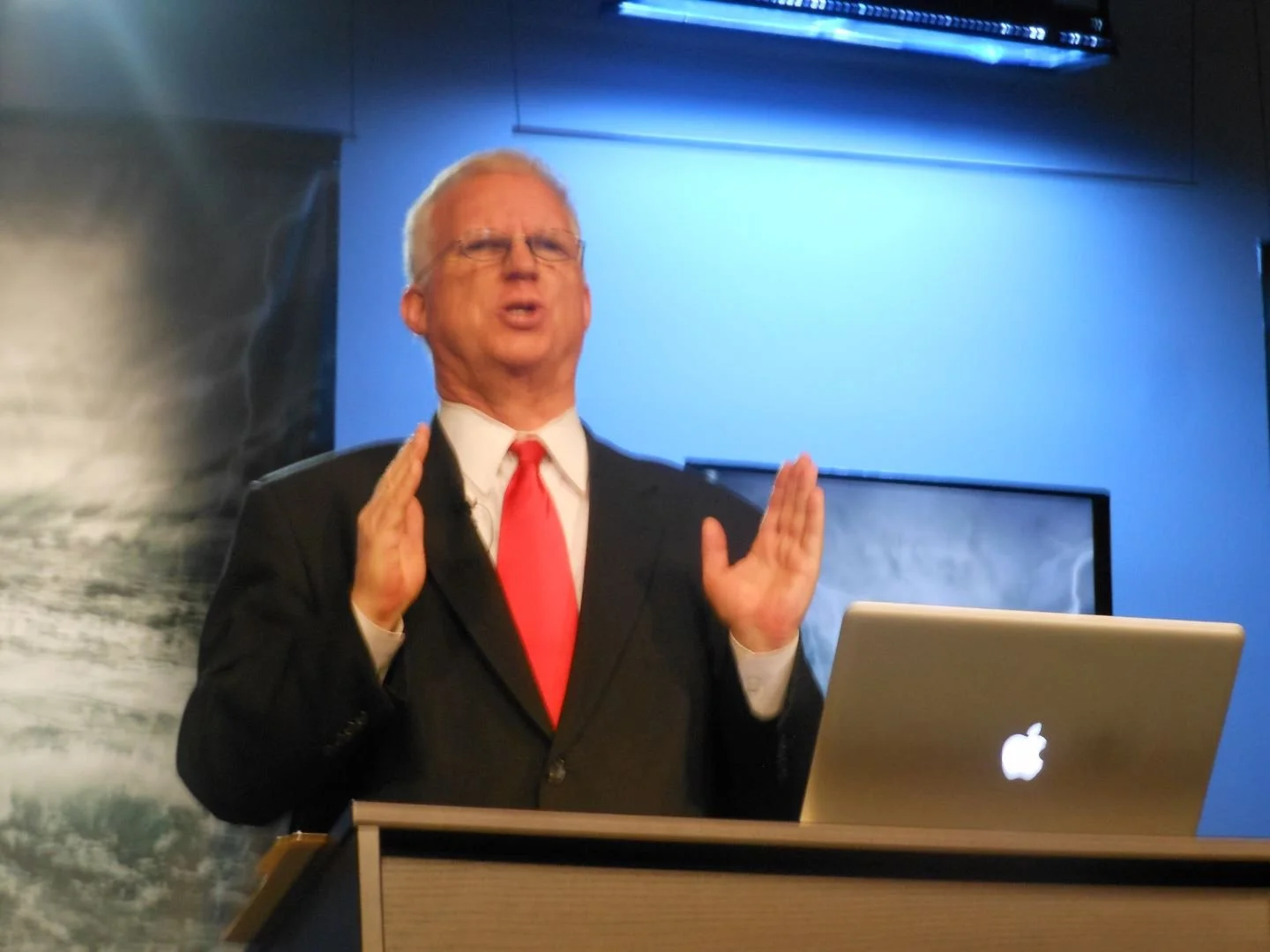
Pastor Kevin Paulson holds a Bachelor’s degree in theology from Pacific Union College, a Master of Arts in systematic theology from Loma Linda University, and a Master of Divinity from the SDA Theological Seminary at Andrews University. He served the Greater New York Conference of Seventh-day Adventists for ten years as a Bible instructor, evangelist, and local pastor. He writes regularly for Liberty magazine and does script writing for various evangelistic ministries within the denomination. He continues to hold evangelistic and revival meetings throughout the North American Division and beyond, and is a sought-after seminar speaker relative to current issues in the Seventh-day Adventist Church. He presently resides in Berrien Springs, Michigan