
Most Christians, and many others, are familiar with the Bible story of Lot’s wife turning to a pillar of salt because she disobeyed God’s command not to look back as she and her family were fleeing Sodom before its destruction (Gen. 19:17,26).
Ellen White, under divine inspiration, elaborates on the Biblical narrative by explaining Mrs. Lot’s motive for the action that resulted in her death:
She rebelled against God because His judgments involved her possessions and her children in the ruin. Although so greatly favored in being called out from the wicked city, she felt that she was severely dealt with, because the wealth that it had taken years to accumulate must be left to destruction. Instead of thankfully accepting deliverance, she presumptuously looked back to desire the life of those who had rejected the divine warning [##1|Ellen G. White, Patriarchs and Prophets, p. 161.##].
From a strictly human perspective, Mrs. Lot’s feelings are understandable. But it should have been clear to her, from the intervention of the angels in miraculously protecting the residents of her home from the Sodomite mob (Gen. 19:10-11), that a power beyond humanity was passing judgment on the wicked city where she lived. For myself, I’ve always wondered why Lot didn’t simply announce to the family his intention to return to Abraham after fleeing Sodom; one has difficulty believing Lot’s beneficent uncle wouldn’t have given him a second chance to restore his wealth. But the following statement from Patriarchs and Prophets explains a bit further some of the spiritual dynamics in Lot’s family regarding the original separation from Abraham and Lot’s choice to remain so long in the sin-ridden cities of the plain:
The wife of Lot was a selfish, irreligious woman, and her influence was exerted to separate her husband from Abraham. But for her, Lot would not have remained in Sodom, deprived of the counsel of the wise, God-fearing patriarch. The influence of his wife and the associations of that wicked city would have led him to apostatize from God had it not been for the faithful instruction he had early received from Abraham. The marriage of Lot and his choice of Sodom for a home were the first links in a chain of events fraught with evil to the world for many generations [##2|——Patriarchs and Prophets, p. 174.##].
Considering what we learn later in Lot’s story as to the character of his two surviving daughters (Gen. 19:31-38), it isn’t difficult to understand why they too would have likely had little interest in returning to the godly influence and leadership of their great-uncle, whatever material or social advantages might have been available to them through such a move.
The Lot’s Wife Syndrome
But while material goods might at times be recoverable, lives are not. The bitterness of Lot’s wife regarding the loss of her other daughters, their husbands, and possibly her grandchildren isn’t at all difficult to perceive. But again, it should have been clear to Mrs. Lot that the hand of the Lord had been involved in saving her husband, herself, and her unmarried daughters from the violence of the mob, and from the city’s supernatural destruction. Painful as the loss of her other children most assuredly was, it was God who was responsible, and however heart-wrenching the experience, she should have recognized divine intervention and submitted herself thereto.
Ellen White makes the following insightful observation regarding this story:
There are Christians who say, “I do not care to be saved unless my companion and children are saved with me.” They feel that heaven would not be heaven to them without the presence of those who are so dear. But have those who cherish this feeling a right conception of their own relation to God, in view of His great goodness and mercy toward them? Have they forgotten that they are bound by the strongest ties of love and honor and loyalty to the service of their Creator and Redeemer? The invitations of mercy are addressed to all; and because our friends reject the Saviour’s pleading love, shall we also turn away? The redemption of the soul is precious. Christ has paid an infinite price for our salvation, and no one who appreciates the value of this great sacrifice or the worth of the soul will despise God’s offered mercy because others choose to do so. The very fact that others are ignoring His just claims should arouse us to greater diligence, that we may honor God ourselves, and lead all whom we can influence, to accept His love [##3|——Patriarchs and Prophets, p. 162.##].
Sacrificing eternity for the sake of family and friendship ties didn’t end, of course, with the Sodom story. The Lot’s wife syndrome is alive and well in our present day. We see it active in the lives of those Christians, including some Adventists, who set aside Biblical prohibitions against same-gender sexual intimacy because a family member (usually a son or daughter) or close friend chooses to make peace with these desires. The assumption behind this surrender of Biblical teachings is not only the belief that these desires are often involuntary, but also that they don’t appear to hurt anyone if expressed. Never mind the unequivocal, unqualified condemnation of these choices in the Sacred Writings (Lev. 18:22; 20:13; Rom. 1:26-27; I Cor. 6:9-10; I Tim. 1:10); human reason and human emotions are given veto power over the inspired text.
Conclusion
Only this past Christmas I was informed by a longtime friend of two of her family members who have become bitter at the Seventh-day Adventist Church because of its Bible-based rejection of homosexual practice. Why have they made this compromise? Because a son of theirs has come out as gay.
The story of Lot and his family teaches any number of timeless lessons, but perhaps the most notable of these is the imperative of obedience to God’s commands at the cost of all else, even the closest and dearest of human relationships. God’s claim on us transcends all other obligations, all other commitments, all other connections. When those near and dear choose self over the divine will, we must pray and entreat God on their behalf, and pray that if nothing else, our own example might serve to woo them back to the narrow way (Matt. 7:14). But in the end, obedience to God through the power of His grace must supersede all other options, whatever the cost to ourselves and those we love might be.
REFERENCES
1. Ellen G. White, Patriarchs and Prophets, p. 161.
2. Ibid, p. 174.
3. Ibid, p. 162.
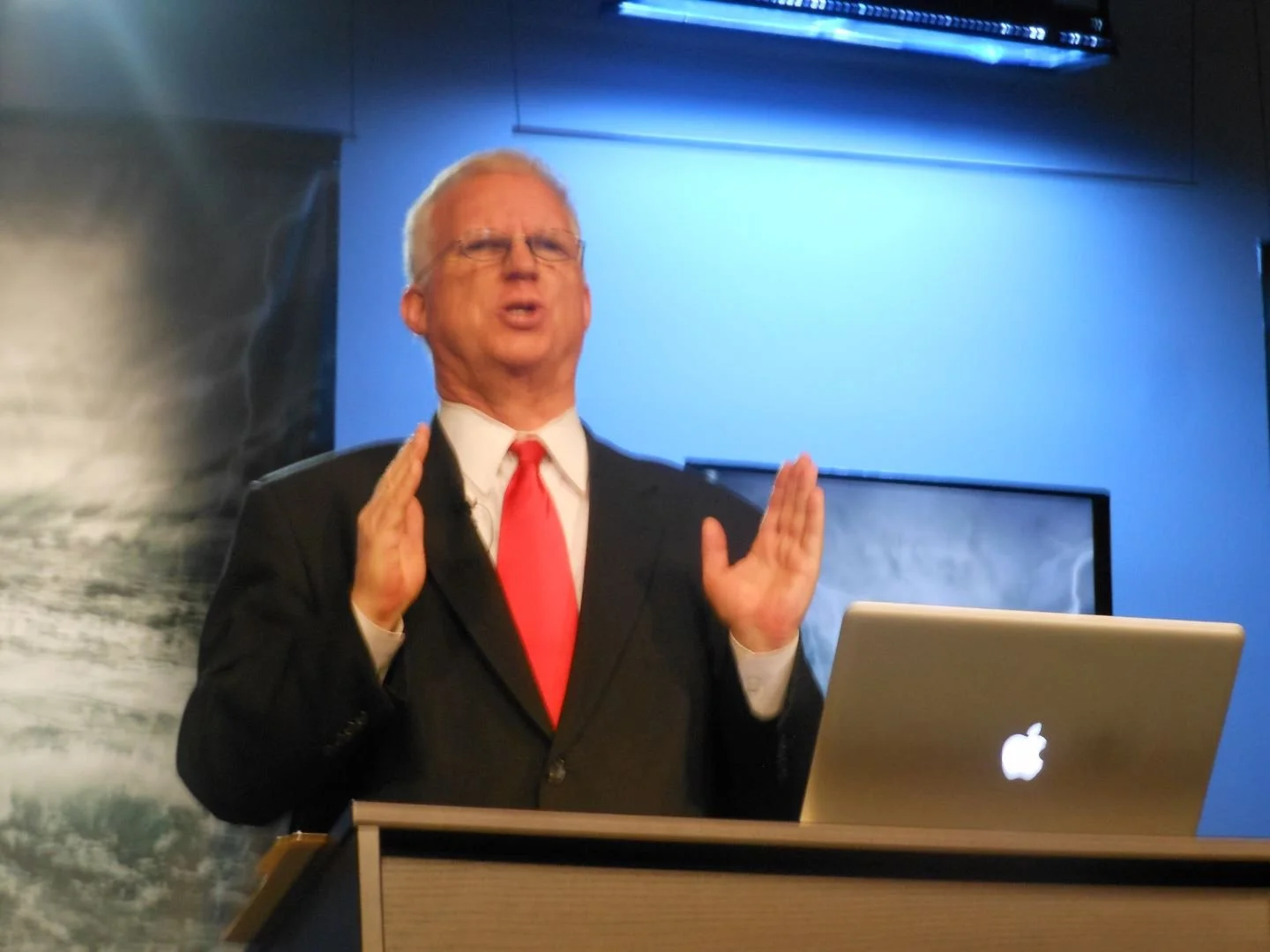
Pastor Kevin Paulson holds a Bachelor’s degree in theology from Pacific Union College, a Master of Arts in systematic theology from Loma Linda University, and a Master of Divinity from the SDA Theological Seminary at Andrews University. He served the Greater New York Conference of Seventh-day Adventists for ten years as a Bible instructor, evangelist, and local pastor. He writes regularly for Liberty magazine and does script writing for various evangelistic ministries within the denomination. He continues to hold evangelistic and revival meetings throughout the North American Division and beyond, and is a sought-after seminar speaker relative to current issues in the Seventh-day Adventist Church. He presently resides in Berrien Springs, Michigan