
Reports have abounded in recent years, in particular from religious conservatives, as to the alleged surge in secularism and overt godlessness in Western culture. But on this site, twice in the space of the past eight years, we have noted substantial evidence as to the continued growth of theologically conservative religious bodies in the United States and the simultaneous decline of theologically liberal ones [##1|Kevin Paulson, “Why Conservative Denominations Are Still Growing,” ADvindicate, Feb. 2, 2017; “The Trend Continues,” ADvindicate, July 26, 2019.##].
And more recently, evidence of this trend continues to surface.
In an August 2025 issue of the politically and culturally progressive New Republic magazine, the following was stated:
In the decades since the Vietnam War, Americans’ faith in all kinds of big institutions has collapsed. But recent data has brought a twist: Churches are enjoying a small but significant rebound, especially among young people. Maybe these millennials and Zooners have hit peak exhaustion with the meaninglessness of TikTok scrolling. Maybe the young men among them are seeking an alternative to the secular media’s message that they are guilty of “toxic masculinity” until proven innocent [2].
The article further observes:
Southern Baptist membership is still down from its 2006 peak of 16.3 million, but the denomination’s church attendance and baptisms have grown over the last two years. The number of Americans who reject religious affiliation no longer seems to be rising. One survey showed that 69 percent of college-educated men age 40 and under claim a religious affiliation—up 10 points since 2022, and 7 points higher than women in the same demographic. . . .
It’s too early to speak of full-fledged revival, but this upswing in religious engagement offers lessons for universities. The churches that seem to be rebounding are the ones that embrace countercultural aspects of Christianity. These Roman Catholic, Eastern Orthodox, Anglican, and Holy Spirit-minded Protestants are not the Christians who spent the last century trying to update “premodern” beliefs to fit the demands of Western progressivism and scientism. They don’t shy away from outrageous supernatural claims, or rituals that puzzle outsiders, or traditional teachings on sexuality and gender [3].
On October 10, 2025, a report on the CNN daily show “Inside Politics” gave a number of statistics regarding the role of religion in contemporary American life. Among other things, it was stated that 76 percent of Americans consider themselves religious or spiritual, that 40 percent claim their faith informs their political decisions, that 71 percent of Democrats say they regularly attend religious services—evidence strikingly at odds with the widespread notion that those of this persuasion are largely secular—and that 86 percent of Republicans say they regularly attend religious services [##4]|CNN’s “Inside Politics,” October 10, 2025.##.
Coming from the opposite end of the American media universe, it was recently reported that since 2019, religion and spirituality app downloads have increased by 79.5 percent, sales from contemporary Christian music outlets during the same period have increased by 50 percent, and since 2022, annual Bible sales have increased by 41.6 percent [5]. Between 2024 and 2025, the Pew Research Center recently noted that a growing share of U.S. adults believe religion is gaining influence in American life [6].
Reflections
Again we see trending and substantive evidence as to the hold religious faith maintains on the consciousness of postmodern Westerners, even if their lives don’t necessarily reflect the teachings of the traditions they espouse. The facts further underscore the reason why the Bible spends so little time openly contending with overt secularism, other than to call the one who denies God’s existence a fool (Psalm 14:1; 53:1).
The above statistics offer little support to the rampant fear among religio-political conservatives that such avowedly anti-God ideologies as Marxism are “taking over” America. Whatever opinion one holds regarding left-of-center politics (of which true Marxism forms but a tiny segment), little if any evidence exists that those adhering to such ideologies are mostly irreligious.
Most importantly of all, as we look toward the final crisis, the prominence of religion in American life is especially significant. The teachings of Scripture and the writings of the Spirit of Prophecy give little credence to the theory that the world just before Jesus’ coming will be largely non-religious. Among other things, the predicted prevalence of miracles on both sides of the controversy (Matt. 24:24; II Thess. 2:9; Rev. 16:14) [##7|Ellen G. White, The Great Controversy, pp. 588-589,612.##] will effectively demolish any notion in the popular mind of that day that supernatural forces are a figment of religious imagination.
Certainly there seems no need for the church to overhaul its outreach strategies with an adjusted focus on the secular mind, as certain folks seem to believe. Religion, in particular conservative religion, remains very much in the driver’s seat so far as Western society is concerned. As the closing events draw ever nearer, this fact will become increasingly undeniable, and the focus of the classic Adventist message on prophecy and a correct understanding of Scripture will be increasingly recognized as present truth.
REFERENCES
1. Kevin D. Paulson, “Why Conservative Denominations Are Still Growing,” ADvindicate, Feb. 2, 2017 https://advindicate.com/articles/2017/2/2/why-conservative-denominations-are-still-growing; “The Trend Continues,” ADvindicate, July 26, 2019 https://advindicate.com/articles/2019/7/17/paulson-draft-1-atack-kn4n4-n82ly
2. Molly Worthen, “What Besieged Universities Can Learn from the Christian Resurgence,” The New Republic, Aug. 11, 2025 https://newrepublic.com/article/198386/besieged-universities-can-learn-christian-resurgence
3. Ibid.
4. CNN’s “Inside Politics,” October 10, 2025.
6. Chip Rotolo, “Growing Share of U.S. Adults Say Religion Is Gaining Influence in American Life,” Pew Research Center, Oct. 20, 2025 https://www.pewresearch.org/religion/2025/10/20/growing-share-of-us-adults-say-religion-is-gaining-influence-in-american-life/
7. Ellen G. White, The Great Controversy, pp. 588-589,612.
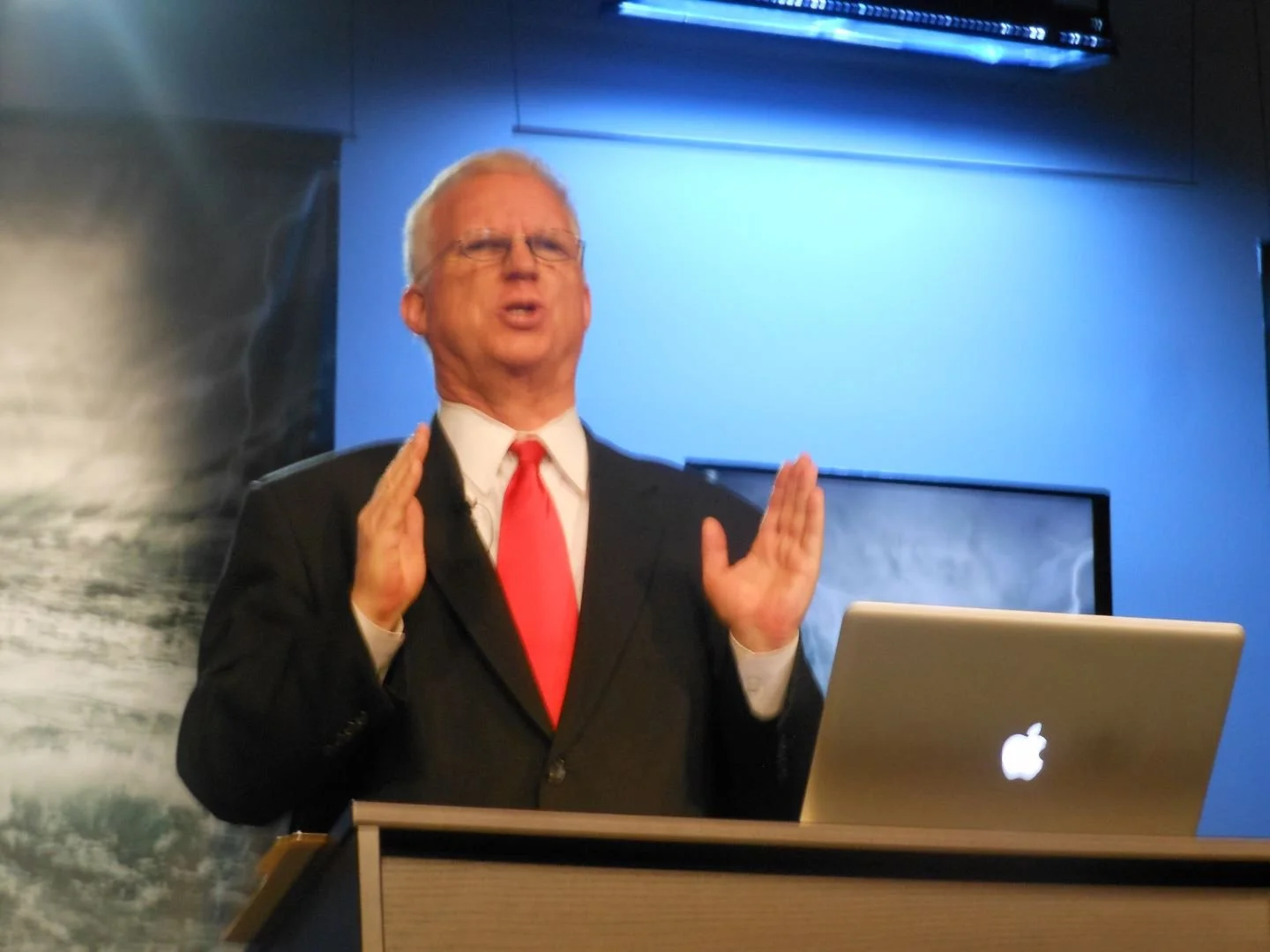
Pastor Kevin Paulson holds a Bachelor’s degree in theology from Pacific Union College, a Master of Arts in systematic theology from Loma Linda University, and a Master of Divinity from the SDA Theological Seminary at Andrews University. He served the Greater New York Conference of Seventh-day Adventists for ten years as a Bible instructor, evangelist, and local pastor. He writes regularly for Liberty magazine and does script writing for various evangelistic ministries within the denomination. He continues to hold evangelistic and revival meetings throughout the North American Division and beyond, and is a sought-after seminar speaker relative to current issues in the Seventh-day Adventist Church. He presently resides in Berrien Springs, Michigan